
Cloud hospital information system built in Gurugram.
RecommendedMade in India
Starts at
On request
Free, independent software advice for Indian businesses
For software companies: reach Indian businesses ready to buy
Nursing homes & elder care
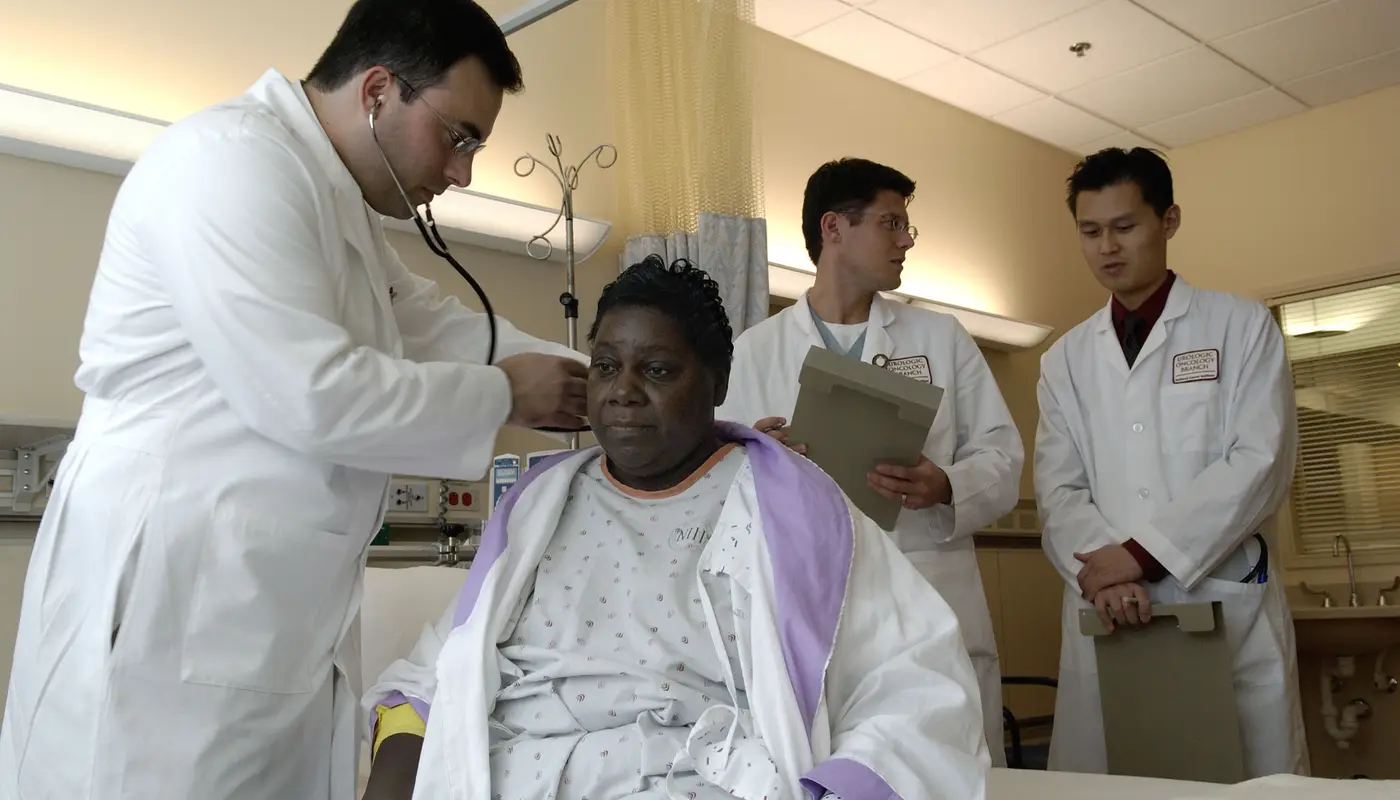
Nursing home software in India for small hospitals and elder care homes: admissions, beds, nursing EMR, medication charts, billing, TPA claims and demo questions.
Quick answer
In India, "nursing home" usually means a small hospital with a few dozen beds, and its software is a compact hospital management system covering OPD, IPD admissions, beds, nursing notes, pharmacy, billing and TPA/PM-JAY claims. Residential elder care and senior living homes need a different focus: resident profiles, daily care plans, medication administration, family updates and monthly billing.
The phrase nursing home means two things in India. Most often it is a small private hospital, perhaps a maternity or surgical nursing home run by a doctor family, with an OPD, a handful of wards and an operation theatre. Increasingly it also means residential elder care: assisted living, dementia care and old age homes. Both need software, but the priorities differ. This guide covers nursing home management software for small hospitals and elder care software for senior living, the modules that matter, billing and insurance needs, and the questions to ask vendors before you commit.
Options in India
Listed on App Advisor with pricing, features and alternatives. Not a paid ranking.
Cloud hospital information system built in Gurugram.
Starts at
On request

Clinic and hospital management built in Chennai.
Starts at
₹999/mo

Hospital management software built in Pune.
Starts at
On request

EMR and hospital management built in Pune.
Starts at
On request

Hospital management from Practo.
Starts at
On request

Hospital information system built in Hyderabad.
Starts at
On request

Lab, clinic and hospital software built in Surat.
Starts at
Free plan

ABDM-enabled health records and doctor tools built in Bengaluru.
Starts at
Free plan

Doctor discovery, appointments and practice management.
Starts at
Free plan
Sell nursing homes? Get your product listed.
A small hospital nursing home needs a lightweight hospital management system: patient registration, OPD, IPD admission and discharge, bed allocation, nursing charts, OT scheduling, in-house pharmacy, lab orders and a billing desk that handles cash, cashless insurance and government schemes. An elder care home needs resident-centred software: admission assessments, long-stay care plans, activities of daily living, medication rounds, doctor visit notes, incident logs, family communication and recurring monthly invoices. Some vendors cover both, but check that the product was designed for your setting rather than stretched to fit.
Small hospitals working toward NABH entry-level or full accreditation benefit from software that keeps consent forms, nursing records, medication records and incident reports complete and retrievable. Registration under your state's Clinical Establishments Act or nursing home rules, where applicable, also relies on proper records. ABDM participation, through ABHA linking and a Health Facility Registry entry, is becoming a practical need for sharing records digitally. Confirm specific obligations with NABH, ABDM and your state health department rather than relying on a vendor's summary.
Map your real workflows first: how a patient moves from the front desk to the ward to discharge, and who touches the bill. Ask vendors to demo exactly that path, including a cashless insurance discharge. For elder care, ask them to show a nurse doing a medication round on a tablet. Check hardware needs, offline behaviour during internet outages and backups. Go live module by module, starting with registration and billing, and keep the paper nursing chart in parallel for a short period until staff are confident.
FAQs
For a small hospital, pick an HMS built for 10 to 100 beds with strong IPD billing and insurance workflows. For elder care homes, pick resident-focused care software. Demo two or three options against your own workflows before deciding.
It manages deposits, room and package charges, doctor fees, pharmacy and lab items, GST where applicable, insurance or scheme claims, and final settlement at discharge, or recurring monthly billing in elder care homes.
It covers the same basics, such as vitals, medications and notes, but is usually simpler. Elder care EMRs focus on long-term care plans and daily living, while hospital EMRs focus on episodes of care.
It is software for old age homes, assisted living and dementia care facilities, covering resident records, care plans, medication rounds, incidents, staff rosters, family communication and billing.
Yes. Cloud software avoids running your own server, but you need reliable internet with a backup connection. Ask whether the vendor offers any offline or local fallback.
Pricing varies by beds, users and modules. Vendors use annual subscriptions or one-time licences with yearly maintenance. Ask for a quote based on your bed count and modules.
Software does not grant accreditation, but complete, timestamped records of consent, nursing care, medication and incidents make it much easier to meet and show documentation standards.
Free shortlist
Related
Independent guide. Product facts come from vendors' official websites; confirm current terms in your demo.