
Contactless patient monitoring built in Bengaluru.
Made in India
Starts at
On request
Free, independent software advice for Indian businesses
For software companies: reach Indian businesses ready to buy
Virtual care
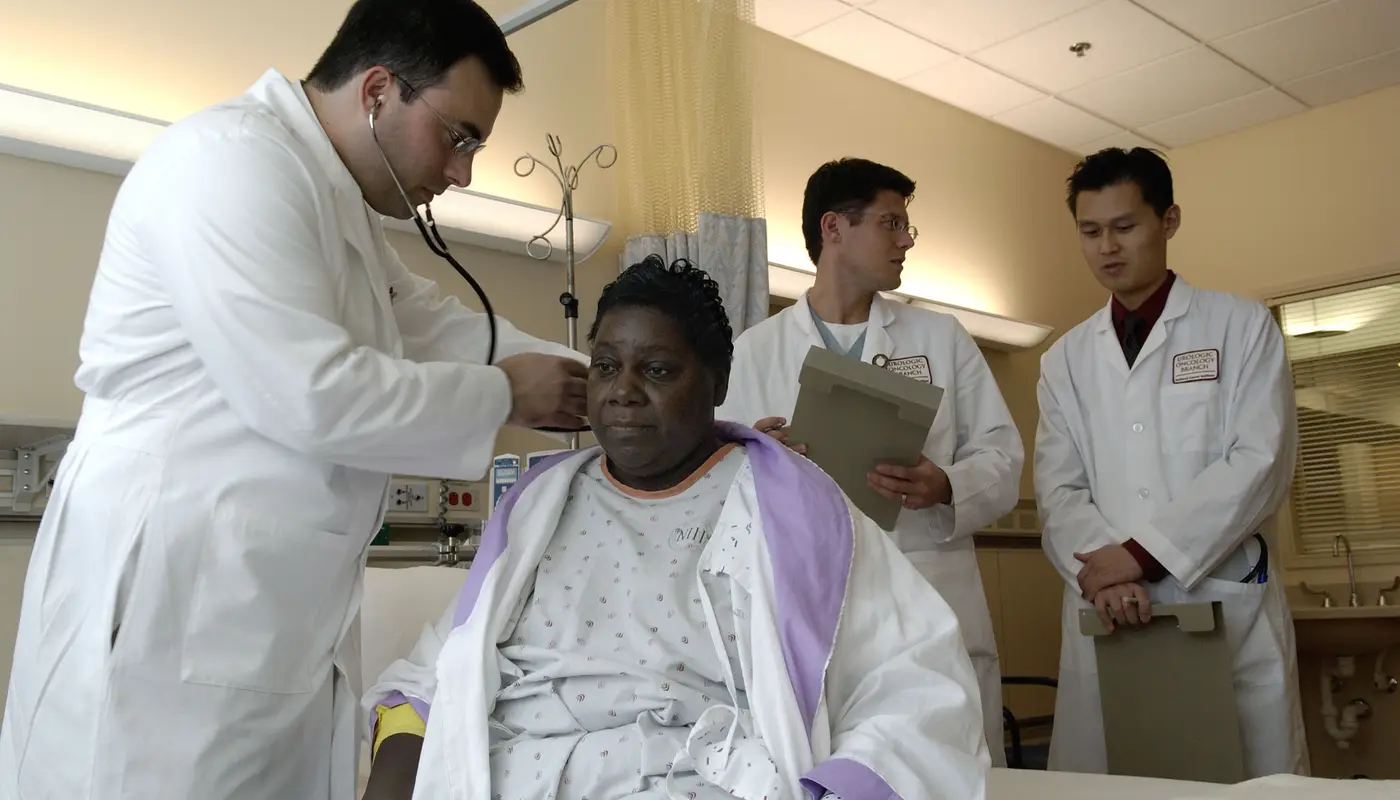
Remote patient monitoring software for Indian hospitals and clinics: connected devices, vital-sign dashboards, alerts, chronic care and how RPM is priced.
Quick answer
Remote patient monitoring (RPM) software collects vital signs such as heart rate, blood pressure, SpO2, glucose or ECG from connected devices and shows them on a clinical dashboard with alerts. Indian hospitals use it for ward and home monitoring after discharge, and clinics use it for chronic diseases like diabetes, hypertension and heart failure.
Remote patient monitoring moves some of the watching that nurses and doctors do at the bedside onto connected devices and software. Readings from BP monitors, pulse oximeters, glucometers, wearable patches or contactless sensors flow into a dashboard, and the care team is alerted when a value crosses a threshold. In India, RPM is used in general wards with limited nursing staff, for tele-ICU cover, for patients recovering at home and for chronic disease programmes. This page explains how an RPM platform works, the features that matter, how it connects to your hospital systems and what to check about devices, data and cost.
Options in India
Listed on App Advisor with pricing, features and alternatives. Not a paid ranking.
Contactless patient monitoring built in Bengaluru.
Starts at
On request

Tele-ICU built in Bengaluru.
Starts at
On request

Home healthcare.
Starts at
Pay as you go

Healthcare data platform founded by Indians with Noida office.
Starts at
On request

Doctor discovery, appointments and practice management.
Starts at
Free plan
AI-powered EMR for doctors built in Bengaluru.
Starts at
Free plan

Online pharmacy.
Starts at
Free

Clinic and hospital management built in Chennai.
Starts at
₹999/mo
Practice management built in Ahmedabad.
Starts at
Free plan
Sell remote monitoring? Get your product listed.
An RPM system has three layers. Devices capture readings, either continuously from sensors or patches, or as spot checks taken by the patient at home. A gateway, usually a phone app or a bedside hub, sends the data to the cloud. The software then stores readings, applies alert rules and shows them on a patient monitoring dashboard for nurses, doctors or a central command centre. The value comes from triage: staff spend time on patients whose trends are worsening rather than checking everyone equally.
Pilot RPM on one ward or one patient group before scaling. Agree who responds to alerts at each hour of the day, how quickly, and how actions are documented. Set thresholds with your clinicians rather than accepting vendor defaults, and review false alarms weekly in the first month. For home programmes, plan device delivery, patient training in the local language, device return and replacement, and how the family is informed. Link the platform to teleconsultation so a worrying reading can quickly become a doctor call.
RPM works best when it is not another silo. Ask whether readings can flow into your hospital information system or EMR, whether alerts can trigger nurse tasks, and whether the platform supports standards such as HL7 or FHIR. For patients with an ABHA number, check whether the vendor can link monitoring records through the Ayushman Bharat Digital Mission with patient consent. For billing, confirm how monitoring charges will be recorded, since insurance cover for home monitoring varies by policy.
FAQs
It is software that receives health readings from connected devices, such as blood pressure cuffs, pulse oximeters, glucometers or wearable sensors, and displays them on a dashboard with alerts so clinicians can track patients in a ward or at home.
The right platform depends on the setting. Hospitals often want contactless or bedside monitoring for wards, while clinics running chronic-care programmes need a simple home app with Bluetooth devices. Compare device support, alert handling and integration with your records in a pilot.
RPM is usually priced per monitored bed or per enrolled patient per month, sometimes with device rental or purchase on top. Some vendors bundle a monitoring team. Ask whether devices, connectivity, installation and replacements are included.
No. Telemedicine is a consultation between a doctor and a patient over video, audio or chat. Remote patient monitoring is ongoing data collection from devices between visits. The two are often combined so an abnormal reading leads to a teleconsult.
It can help nurses prioritise by flagging patients whose vitals are changing, instead of relying only on fixed manual rounds. It does not replace nursing care, and poorly tuned alerts can add work, so thresholds and response rules need clinical review.
Common uses include hypertension, diabetes, heart failure, COPD, post-surgical recovery and elderly patients at home. The suitability for each patient should be decided by the treating doctor.
Home programmes usually use a phone app as the gateway, though some vendors offer cellular hubs or devices that transmit directly. Hospital ward systems connect through bedside sensors and do not need the patient's phone.
Free shortlist
Related
Independent guide. Product facts come from vendors' official websites; confirm current terms in your demo.