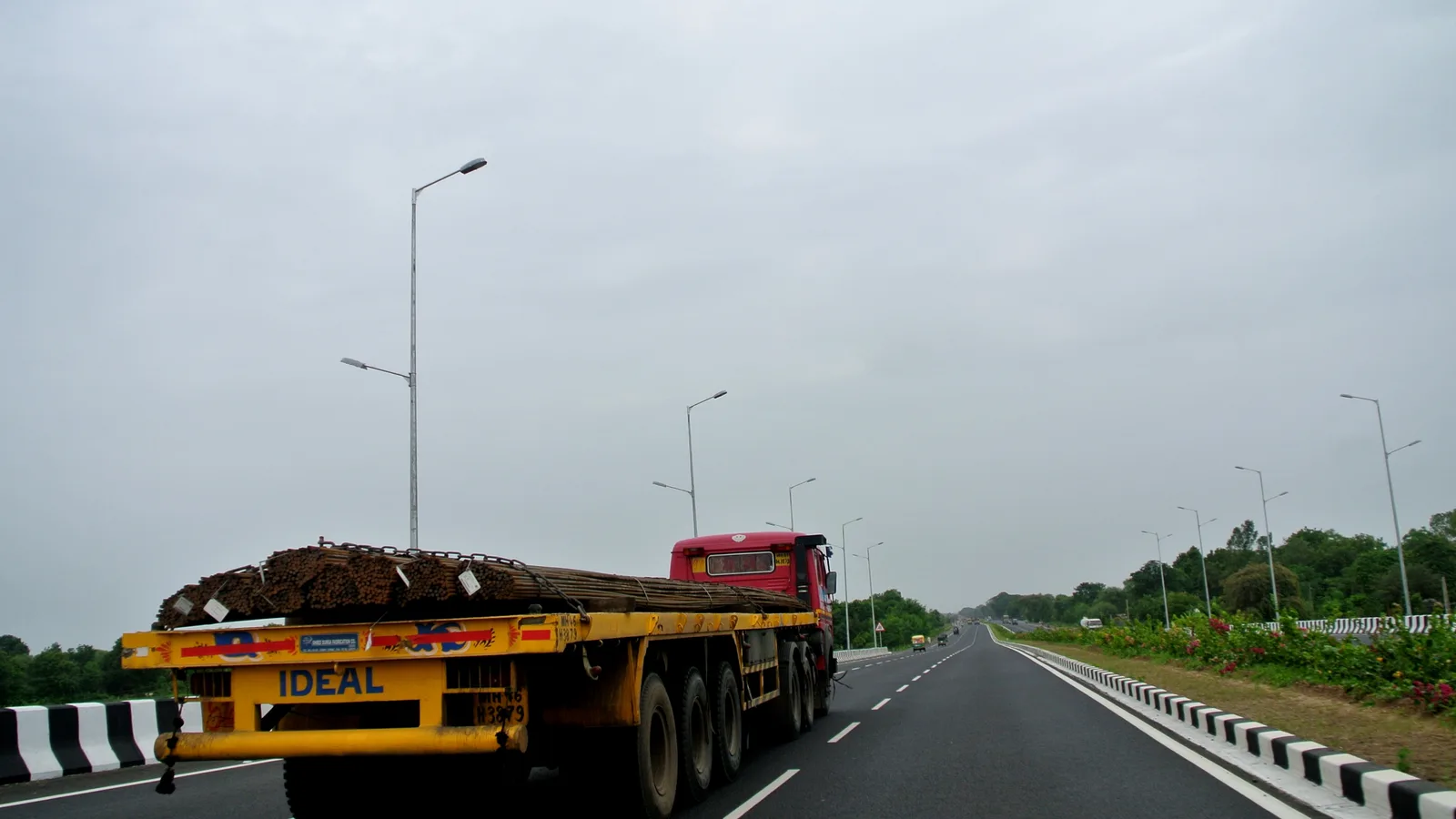
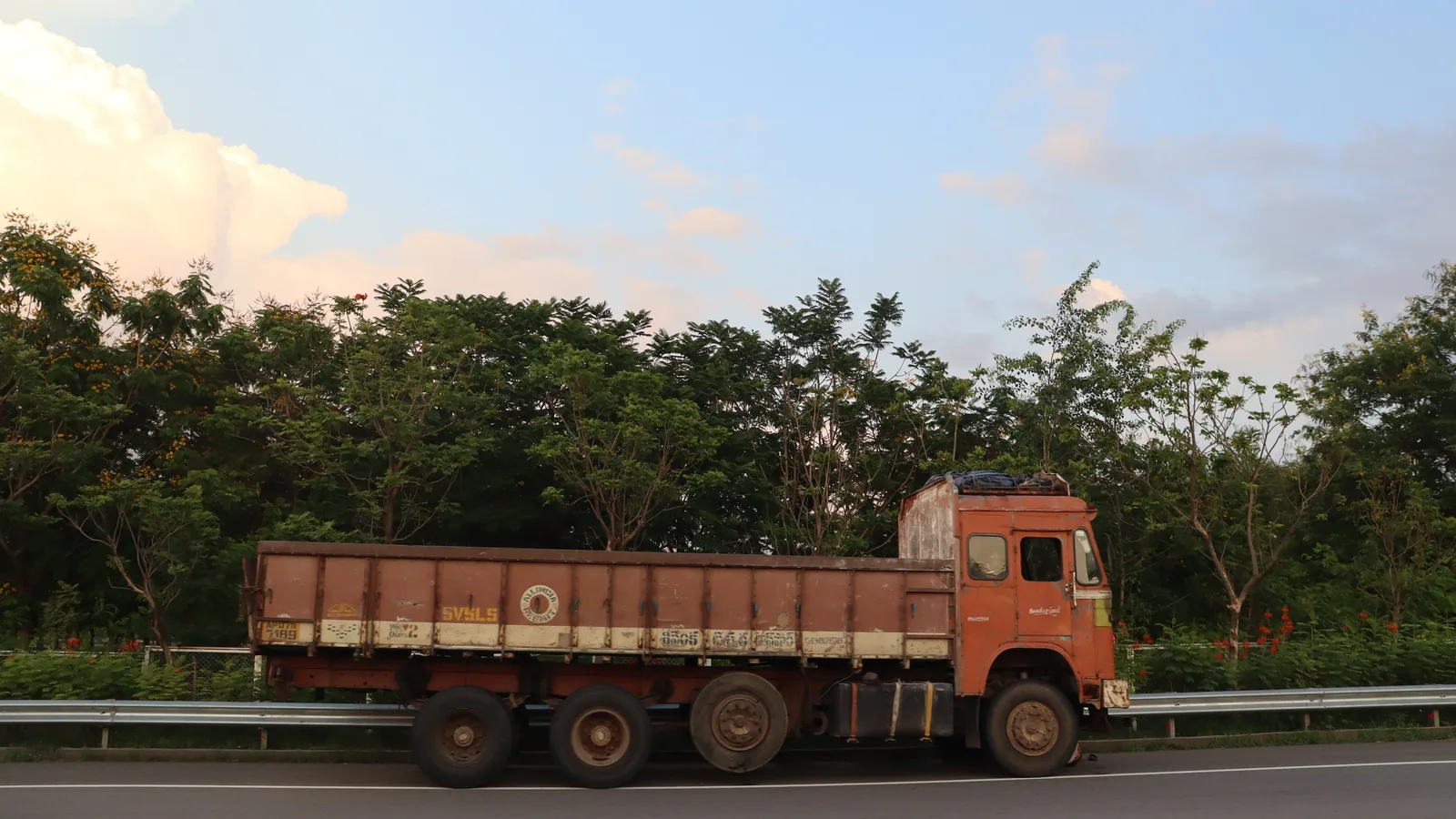




Fleet management and GPS vehicle tracking software shows where every vehicle is, how it is being driven, how much fuel it uses and when it needs maintenance, and it turns that data into trip, cost and compliance reports. For Indian fleet owners, the practical choice sits between three groups: Indian telematics-led platforms such as Fleetx, LocoNav and TrackoLap, which bundle devices, fuel and video monitoring for trucks and buses; global maintenance-led software such as Fleetio; and enterprise telematics such as Samsara. None of the Indian platforms we reviewed publishes a price on its public pages, so buyers should compare per-vehicle quotes that separate hardware, installation, subscription and data charges. Public service vehicles also face a regulatory requirement: the Ministry of Road Transport and Highways mandates a certified vehicle location tracking device and emergency buttons under Rule 125H of the Central Motor Vehicles Rules.
Executive summary
- Tracking is a commodity; the value is in exceptions. Live location alone rarely pays back. Fuel theft alerts, idle time, harsh driving, unplanned stoppages and maintenance due dates are where cost comes out.
- Regulation shapes device choice for passenger fleets. MoRTH's notification G.S.R. 1095(E) inserted Rule 125H, requiring vehicle location tracking devices and emergency buttons in public service vehicles, with exceptions such as two-wheelers, e-rickshaws and three-wheelers. Devices must meet AIS-140 certification.
- Freight fleets must also keep e-way bill movements in order. On the GST e-way bill system, movements of goods valued above Rs 50,000 need an e-way bill, and only Part-B (transport details such as vehicle number) can be updated after generation. Integrating tracking with e-way bill data helps avoid expired documents in transit.
- Indian vendors price by quote. Fleetx, LocoNav and TrackoLap do not show prices on the public pages we checked; request a per-vehicle, per-month quote with hardware and SIM charges shown separately.
- Driver data is personal data. Location, video and driving-behaviour scores identify drivers. The DPDP Rules, 2025, notified in November 2025, phase in obligations over 18 months.
Market context
The Government of India does not publish an official market size for fleet management software, and we do not use private estimates. Primary sources do show the regulatory drivers and the economic activity that fleets serve.
Vehicle tracking mandate. According to the Press Information Bureau release from MoRTH, notification G.S.R. 1095(E) dated 28 November 2016 mandated a vehicle location tracking device and one or more emergency buttons from 1 April 2018 in public service vehicles, except two-wheelers, e-rickshaws, three-wheelers and transport vehicles for which no permit is required. Implementation of Rule 125H was later deferred to 1 April 2019 through S.O. 1663(E), and the Ministry issued further orders on the Vehicle Location Tracking Device and Emergency Button in October 2018. State transport departments run the backend monitoring and empanel device makers, so bus and cab operators should buy devices on their state's approved list.
Goods movement and GST. The e-way bill system is used by GST-registered persons and enrolled transporters to generate an electronic way bill on commencement of movement of goods exceeding Rs 50,000 in value. The official e-way bill FAQ confirms that an e-way bill cannot be edited once generated, except for updating Part-B, and that validity depends on the distance travelled. For trucking fleets, the operational point is that vehicle changes, breakdowns and delays must be reflected in Part-B and validity must be watched in transit.
Freight demand. MoSPI's Index of Industrial Production for May 2026 (base 2022-23) grew 5.1% year on year, with manufacturing up 5.5%. Industrial output is carried largely by road, which keeps truck utilisation, fuel efficiency and turnaround time central to fleet economics.
Small operators dominate. Many Indian trucking businesses are small, registered as MSMEs. The Ministry of MSME reported over 7.83 crore enterprises registered on the Udyam portals as of 28 February 2026. For small fleet owners, a simple mobile app with fuel and trip reports usually matters more than advanced analytics.
What fleet platforms cover.
- GPS/telematics: live location, route replay, geofences, stoppage and overspeed alerts.
- Fuel: fuel level sensors or CAN data to detect refuelling and drain events.
- Video telematics: dashcams and driver-facing cameras with AI alerts for distraction or fatigue.
- Maintenance: service schedules, tyre management, workshop costs.
- Documents and compliance: permit, fitness, insurance, PUC and driver licence expiry reminders.
- Trip and cost: trip sheets, driver expenses, cost per km.
For trucking accounting and billing, see accounting and billing software for transport businesses.
Evaluation framework
App Advisor methodology: weighted criteria for fleet management and GPS tracking software in India. Weights total 100.
| Criterion | Weight | What good looks like |
|---|---|---|
| Tracking reliability and hardware | 15 | Certified devices (AIS-140 where required), tamper and power-cut alerts, good coverage on highways and in rural areas |
| Fuel and cost control | 20 | Fuel sensor integration, refuel and drain events, idle time, cost per km reports |
| Safety and driver behaviour | 15 | Harsh braking and acceleration, overspeed, night driving, optional video telematics |
| Maintenance and documents | 15 | Service schedules, tyre tracking, expiry reminders for permits, fitness, insurance, PUC, licences |
| Trip, e-way bill and ERP integration | 15 | Trip sheets, e-way bill validity tracking, APIs to TMS/ERP/accounting |
| Usability for owners and drivers | 10 | Simple mobile app, vernacular support, WhatsApp or SMS alerts |
| Commercial clarity | 10 | Per-vehicle price with hardware, installation, SIM/data and AMC stated separately |
Vendor comparison
Official pricing only. Where no price appears on the vendor's public page, we say so.
| Product | What the official site describes | Published pricing | Best fit |
|---|---|---|---|
| Fleetx | Transport Management System, Fleet Visibility (FMS), Video & Camera, Fuel Monitoring and Transport ERP, with AI agents for onboarding and reports (site) | Not published on the page we could access | Mid-size to large truck fleets wanting tracking, fuel and TMS in one platform |
| LocoNav | Fleet software and telematics for sectors including logistics, construction, oil and gas, passenger transit and school buses (site) | Not published on the page we could access | Mixed fleets including buses and construction equipment |
| TrackoLap | Field force and vehicle tracking | Not published for fleet tracking on the page we could access | Small fleets combined with field staff tracking |
| Fleetio | Fleet maintenance, fuel and asset management software | Not published on the page we could access | Fleets focused on maintenance workflows and parts |
| Samsara | Connected operations and video telematics platform | Quote | Large enterprises with global operations |
| Mappls MapmyIndia | Indian digital maps and location services | Not published on the page we could access | Businesses needing Indian mapping and tracking APIs |
| Powerfleet Unity | IoT and telematics platform | Quote | Enterprises standardising telematics across asset types |
Total cost of ownership
Illustrative model — assumptions stated. No vendor publishes prices here, so every number below is a placeholder chosen to show structure. Replace them with your quotes.
Assumptions for a 60-truck fleet over three years:
- GPS device with installation: ₹A per vehicle, one time.
- Fuel level sensor with installation: ₹B per vehicle, one time, fitted to 60 trucks.
- Software subscription including SIM/data: ₹C per vehicle per month.
- Device replacement: 10% of devices per year from year 2 (damage, tampering).
- Internal control-room time: one fleet executive spending 50% of time on alerts, at an assumed ₹30,000 per month cost to company.
| Cost line | Year 1 | Year 2 | Year 3 |
|---|---|---|---|
| GPS devices and installation | 60A | 6A | 6A |
| Fuel sensors and installation | 60B | 6B | 6B |
| Subscription and data | 720C | 720C | 720C |
| Control-room time (assumed) | ₹1,80,000 | ₹1,80,000 | ₹1,80,000 |
| Total | 60A + 60B + 720C + ₹1,80,000 | 6A + 6B + 720C + ₹1,80,000 | 6A + 6B + 720C + ₹1,80,000 |
Benefit side (build from your own data). Record, for three months before rollout, fuel consumed per km, idle hours, unauthorised stoppages and trips per truck per month. Fleet software pays back only through measured changes in those numbers. Do not accept vendor "average savings" claims without your own baseline.
Implementation roadmap
| Phase | Weeks | Activities | Output |
|---|---|---|---|
| 1. Baseline | 1–3 | Collect fuel, trip, idle and maintenance data; list regulatory needs (AIS-140 for public service vehicles, state backend) | Baseline report |
| 2. Selection | 3–6 | Shortlist 3 vendors; ask for itemised per-vehicle quotes; check device certification and warranty; trial on 5 vehicles | Signed contract |
| 3. Installation | 6–10 | Install devices and fuel sensors in batches at depots; verify each device online; photograph wiring | Installed fleet |
| 4. Configuration | 8–10 | Geofences for plants, customers and fuel pumps; alert thresholds; document expiry data; user roles | Configured platform |
| 5. Driver onboarding | 9–11 | Explain what is tracked and why; issue written notice; set incentive for safe driving scores | Driver briefing records |
| 6. Operate | 11–16 | Daily exception review; weekly fuel and idle review; monthly cost per km | Control-room routine |
| 7. Integrate | 14–20 | Connect TMS, ERP or accounting; e-way bill validity alerts | Integrated reporting |
Risks and compliance checklist
- Rule 125H and AIS-140. Public service vehicles need certified vehicle location tracking devices and emergency buttons connected to the state system; buy from approved device makers.
- E-way bills. Keep Part-B updated when vehicles change; monitor validity for delayed trips; the e-way bill cannot be edited apart from Part-B.
- Driver privacy. Tell drivers what is tracked (location, speed, video), when, and why; limit access to video; set retention under the DPDP framework.
- Working hours. Long driving hours raise safety and labour-law risk; use trip data to spot excessive continuous driving and review rest policies against the Labour Codes now in force.
- Tampering. Enable power-cut and device-removal alerts; audit wiring.
- Data ownership. Contract for export of historical trip data if you change vendor.
- Hardware lock-in. Ask whether devices work with other platforms or become useless if you switch.
- SIM and data charges. Confirm who pays for data and what happens in roaming or no-network zones.
KPIs to track
| KPI | Definition | Why it matters |
|---|---|---|
| Fuel efficiency | Km per litre by vehicle and route | Largest variable cost for most fleets |
| Idle time share | Engine-on stationary hours ÷ engine-on hours | Direct fuel waste |
| Vehicle utilisation | Days on trip ÷ available days | Asset productivity |
| Turnaround time | Hours from arrival at loading point to departure after unloading | Revenue trips per month |
| Unauthorised stoppages | Stops outside geofences beyond a set duration | Theft and delay risk |
| Harsh events per 100 km | Harsh braking, acceleration, overspeed counts | Safety and wear |
| Maintenance compliance | Services done on time ÷ services due | Breakdown prevention |
| Cost per km | Fuel, maintenance, tyres, driver, tolls ÷ km | Basis for freight pricing |
How to choose
- Passenger fleet: start with AIS-140 compliance and your state backend, then compare software features.
- Freight fleet: prioritise fuel monitoring, trip sheets and e-way bill integration; if you also plan loads and settle freight, consider a platform with a TMS module and read our transport management systems guide.
- Mixed or maintenance-heavy fleet: weigh maintenance, tyre and parts features heavily.
- Demand itemised quotes. Hardware, installation, subscription, SIM/data, AMC and replacement costs should each be a line.
- Pilot 5–10 vehicles for a month on your worst route.
- Plan the control room. Alerts with nobody watching them change nothing.
Questions to ask vendors before signing
- Is the device certified for my use? For public service vehicles, ask for AIS-140 certification documents and confirmation that the device is approved on your state's backend.
- Who owns the hardware after the contract ends? Clarify whether devices are sold, rented or bundled, and whether they can be reconfigured for another platform.
- What exactly is in the monthly fee? Separate software, SIM and data, device warranty, fuel sensor calibration and support visits.
- How is fuel data calibrated? Ask how tank calibration is done, how often it is repeated and how refuel and drain events are validated.
- What happens in no-network areas? Devices should store data and upload when coverage returns; confirm buffer capacity.
- How are alerts delivered? Check app notifications, SMS, WhatsApp and email options, and whether alert rules can be set by vehicle group or route.
- What integrations exist? Ask for APIs or connectors to your TMS, ERP, accounting and e-way bill workflows, with Indian customer references.
- How is driver data protected? Confirm access controls on video and location history and data deletion on request.
Related reading: HRMS and payroll for logistics and transport companies, logistics and shipping software, the fleet management category and logistics software.
FAQs
Is GPS tracking mandatory for commercial vehicles in India?
MoRTH's Rule 125H requires vehicle location tracking devices and emergency buttons in public service vehicles, with exceptions such as two-wheelers, e-rickshaws and three-wheelers. Requirements for goods vehicles can differ by state and use, so check with your state transport department.
What is AIS-140?
AIS-140 is the automotive industry standard referenced for certification of vehicle location tracking devices and emergency buttons in public service vehicles in India. Buy devices certified to the applicable standard and approved in your state.
How much does fleet management software cost in India?
Fleetx, LocoNav and TrackoLap do not publish prices on their public pages we checked. Pricing is usually per vehicle per month, plus hardware and installation. Ask for an itemised quote.
Can fleet software detect fuel theft?
Platforms that integrate fuel level sensors or vehicle CAN data can flag sudden fuel drops and unmatched refuelling. Accuracy depends on sensor quality, installation and calibration.
How does fleet software help with e-way bills?
Integrated platforms can link a trip to its e-way bill, alert you before validity runs out, and support Part-B updates when a vehicle changes. The e-way bill itself is generated on the government portal or through authorised APIs.
Do I need to inform drivers about tracking?
Yes. Tracking and video collect personal data about drivers. Give a clear notice of what is collected and why, restrict access, and set retention consistent with the DPDP Act, 2023 and DPDP Rules, 2025.
What is the difference between fleet management and a TMS?
Fleet management focuses on vehicles and drivers: location, fuel, safety and maintenance. A transport management system focuses on shipments: planning loads, choosing carriers, dispatch, tracking deliveries and freight billing.
Sources
- MoRTH on GPS tracking for public service vehicles (PIB, 7 February 2019): https://www.pib.gov.in/PressReleasePage.aspx?PRID=1563379
- E-way bill system (GSTN): https://ewaybillgst.gov.in/
- E-way bill FAQ (GSTN): https://docs.ewaybillgst.gov.in/html/faq.html
- IIP Quick Estimates, May 2026 (MoSPI): https://www.mospi.gov.in/uploads/latestReleases/latest_release_1782727994645_1af6a37e-b7fb-4ee8-bf52-96fcea2a47e2_IIP_Press_release_May_2026.pdf
- Udyam registrations (PIB, Ministry of MSME): https://www.pib.gov.in/PressReleasePage.aspx?PRID=2246892®=3&lang=1
- DPDP Rules, 2025 notified (PIB): https://www.pib.gov.in/PressReleasePage.aspx?PRID=2190014®=3&lang=2
- Four Labour Codes made effective (PIB): https://www.pib.gov.in/PressReleseDetailm.aspx?PRID=2192463®=3&lang=2
- Fleetx: https://www.fleetx.ai/
- LocoNav: https://www.loconav.com/