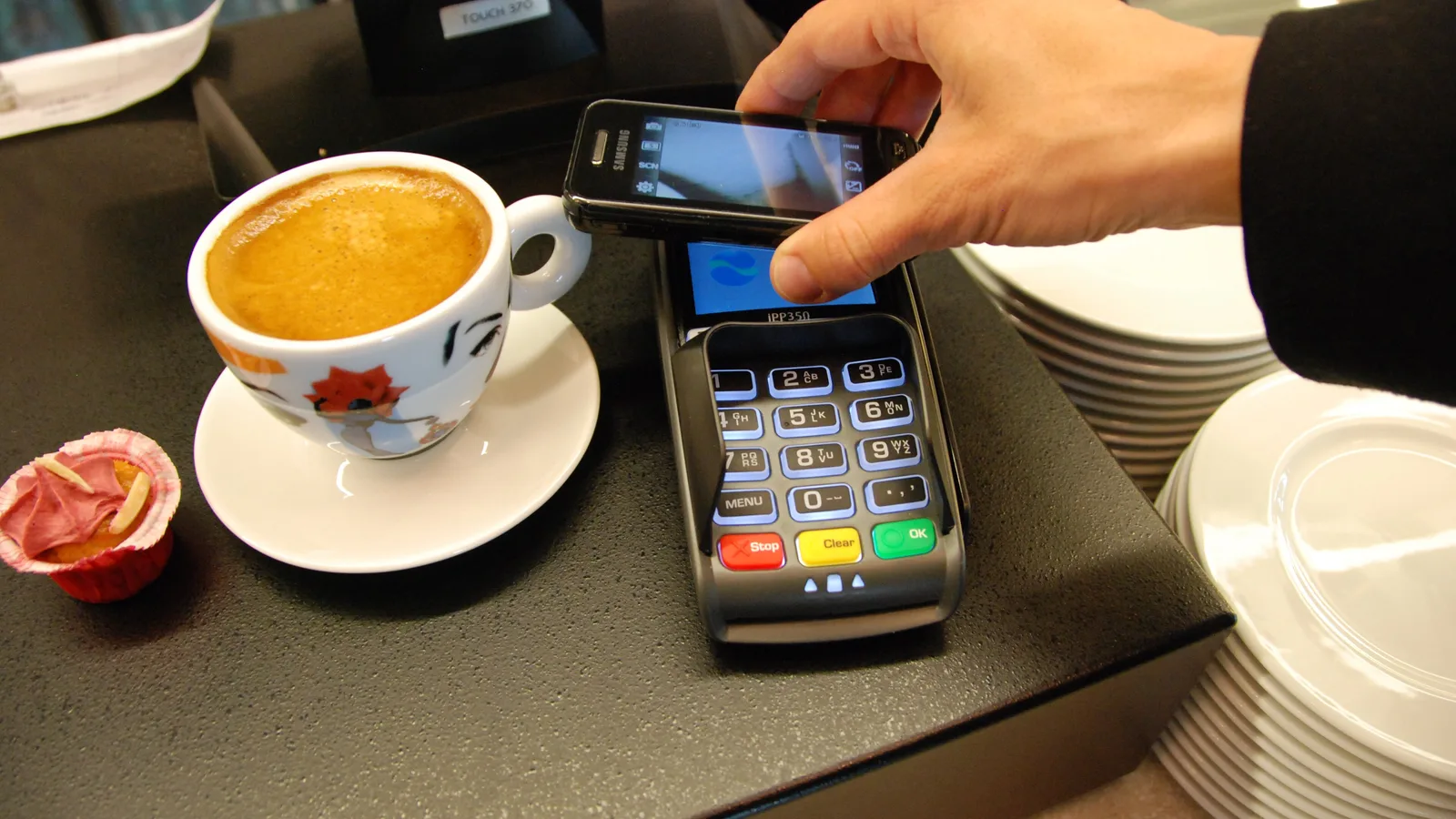
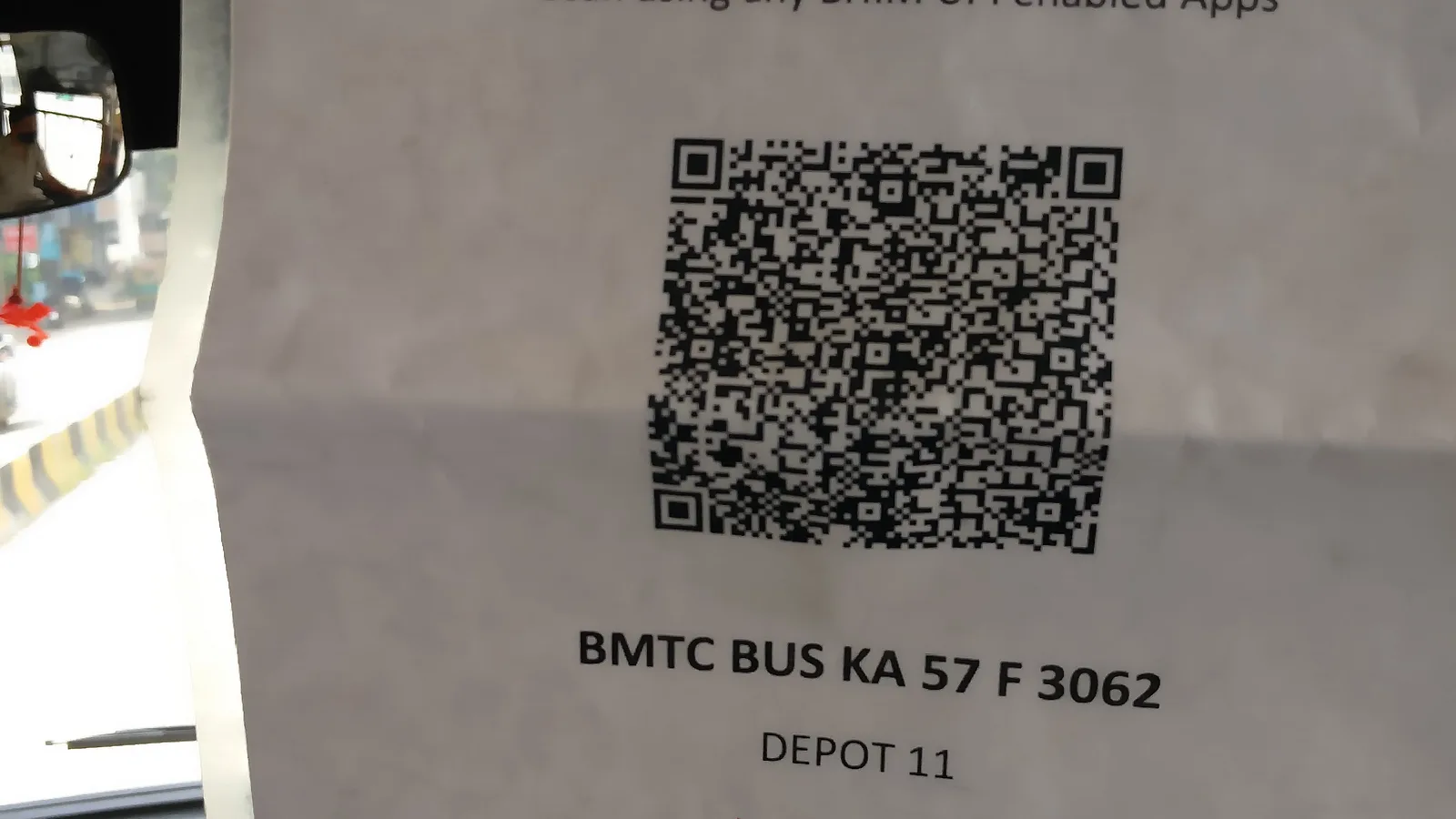








Navi UPI turns up in a lot of searches that are really one question in disguise: is this thing legitimate, and is there any reason to move off Google Pay or PhonePe? This article answers that from the companies' own published material — Navi's site, Google Pay's India site and PhonePe's site — and is explicit about what none of them publish.
What Navi UPI actually is
Navi UPI is the UPI payments feature inside the Navi app. Navi's own About page states it plainly: "The Navi App is developed and owned by Navi Limited (formerly known as Navi Technologies Limited)" and "Navi UPI is offered by Navi Limited ... as an NPCI-approved Third Party Application Provider."
That single sentence answers three of the most-searched questions at once. Navi is an Indian company. Navi UPI is not a bank — it is a Third Party Application Provider (TPAP), the same structural role that Google Pay and PhonePe occupy. And it is approved by NPCI, the body that runs UPI.
The rest of Navi is a group of separately regulated entities, which is worth knowing because it explains what else the app pushes at you: Navi Finserv Limited is an RBI-registered non-deposit-taking NBFC that provides the cash loans and home loans; Navi General Insurance Limited is an IRDAI-registered non-life insurer; Navi Mutual Fund is SEBI-registered with Navi AMC Limited as investment manager. Payments are the front door to a lending and investing business. If you want a payments app that is only a payments app, that matters.
On the Navi UPI page itself, Navi lists instant transfers, scan-and-pay at any UPI merchant, transaction history, UPI Lite for small PIN-free payments, RuPay credit card on UPI, and bill payments and recharges with "zero processing fees". Navi also markets a rewards draw on payments and Navi Trezo, a scan-shop-pay-later credit line billed on the 1st of every month, with the fee applied only to what you spend — Navi does not publish the rate for that line on the product page.
Is Navi UPI real or fake?
It is real. The clearest proof is not a review site — it is Navi's own corporate disclosure that Navi UPI runs as an NPCI-approved TPAP under Navi Limited, alongside RBI-, IRDAI- and SEBI-registered group entities. If you want to check any UPI app the same way, look for a named legal entity plus its regulator on the company's own site. If an app cannot tell you which licensed entity stands behind it, that is the red flag.
Where the caution belongs is in the surrounding products, not the UPI rail: a loan or a pay-later line inside a payments app is a credit product with a cost, and Navi's cash loan page publishes interest rates "up to 26%" and loan amounts up to ₹20,00,000.
Charges: what you pay, and what a merchant pays
For a person sending money or paying a shop, the UPI rail itself has no consumer fee at any of the three apps, and none of them publish one. Google Pay's India page says you can "send or receive money with zero fees, straight from your bank account". Navi advertises "zero processing fees" on bills and recharges. Nothing on PhonePe's consumer pages introduces a fee for UPI payments either.
The fees exist one layer over, and they are the same everywhere because they are set by the rail, not the app:
- Person-to-person and person-to-merchant UPI: no charge to you on any of these apps.
- Online card and net-banking acceptance: the merchant pays a gateway rate. PhonePe's payment gateway pricing page advertises a Standard Plan at "1.99% Free*" during an offer period, with zero setup fee and zero annual maintenance fee, and an Enterprise Plan on custom pricing. Read the asterisk: it is an offer, not a permanent zero.
- Credit line and pay-later products on UPI: priced by the lender, not by UPI. Navi Trezo bills monthly and applies a fee on what you spend; the rate is not on the page.
If you are choosing an acceptance stack rather than a consumer app, that is a different shortlist entirely — start with payment gateways and compare PhonePe Payment Gateway, Razorpay, Cashfree Payments and Paytm Payment Gateway on published rates rather than on which app your customers already have.
Navi UPI vs Google Pay vs PhonePe
| Navi UPI | Google Pay | PhonePe | |
|---|---|---|---|
| Operator | Navi Limited (India) | PhonePe | |
| UPI role | NPCI-approved TPAP | TPAP | TPAP |
| Consumer UPI fee | None published | "Zero fees" for send/receive | None published |
| UPI Lite | Yes | — | Yes |
| RuPay credit card on UPI | Yes | — | Yes |
| Credit line on UPI | Navi Trezo (pay later) | Flex by Google Pay credit card; personal loans via partner lenders | Credit Line on UPI; co-branded cards |
| Investments in-app | Navi Mutual Fund | — | Mutual funds, gold, silver |
| Insurance in-app | Navi General Insurance | — | Yes |
| Merchant acceptance products | Not published | Google Pay for Business, Google Pay API | Payment gateway, payment links, POS, SmartSpeaker |
A dash means the company does not present that feature on the pages read for this article — not that it is impossible.
Three honest takeaways from that table.
The payment experience is close to identical. All three are TPAPs on the same rail, talking to the same banks, with the same PIN, the same QR codes and the same zero consumer cost. Google Pay's own page says it "works with all banks that support BHIM UPI". Nobody's UPI is faster in a way any of them will publish a number for.
They differ in what they sell you next. Google Pay leads with Flex, its India credit card, plus personal loans disbursed through named partners — DMI Finance, Aditya Birla Capital, Bajaj Finance, Axis Bank, L&T Finance, SMFG India Credit and IDFC FIRST Bank. PhonePe leads with a full financial-services shelf: mutual funds, gold, silver, insurance, travel, consumer and secured lending, co-branded cards with SBI Card and HDFC Bank. Navi leads with its own mutual funds, its own insurer and its own NBFC. Choose partly on which shelf you want in your pocket.
Only one of them is a serious merchant platform. PhonePe publishes an entire business side — PhonePe for Business, PhonePe POS, PhonePe SmartSpeaker, payment links and a payment aggregator. Google Pay publishes Google Pay for Business and a developer API for online checkout. Navi's site publishes no merchant acceptance product at all.
Navi UPI vs GPay: which is better?
For everyday sending, scanning and bill payment, neither is meaningfully better — both are NPCI-approved TPAPs with no consumer UPI charge. Pick Google Pay if you want the widest merchant familiarity and its own credit card and partner-lender loans inside the same app. Pick Navi UPI if you already use Navi for a loan, a policy or its index funds and want one app. Many people keep two UPI apps precisely because occasional failures are bank-side, and a second app is a free fallback.
The merchant question: "Navi merchant app"
There is no Navi merchant acceptance product on Navi's website. Navi's published line-up is Navi UPI, Navi Trezo, mutual funds, health insurance, home loan, cash loan and personal loan. Searches for a "Navi merchant app" are, on the evidence of Navi's own site, looking for something Navi does not publish.
If you run a shop and want to be paid, the realistic shortlist is PhonePe's or Paytm's merchant stack for offline, and a gateway for online. Compare Paytm for Business products such as Paytm Soundbox and Paytm All-in-One POS against PhonePe's equivalents, and if you also need the books to match the payments, look at billing software and POS software rather than trying to make a payments app do accounting.
Safety, and how UPI actually protects you
All three apps sit on the same NPCI-run, RBI-regulated rail, which is why none of them can offer a materially different security model for the payment itself. Navi's own FAQ describes UPI as "developed by NPCI ... and RBI-regulated" and says Navi UPI is NPCI-approved. Google states that Google Pay protects money "with a world class security system that helps detect fraud and prevents hacking" and tells users to secure the account with a screen lock. PhonePe says every transaction needs your fingerprint, face or PIN.
The practical implications are the same on all three:
- Your UPI PIN authorises money leaving your account. No genuine app, bank or support agent ever needs it to send you money.
- Nothing "collects" money into your account by you entering a PIN. If a PIN screen appears while you are supposed to be receiving, you are being debited.
- Fraud reporting is app-specific and time-sensitive. Navi publishes a "Report UPI Fraud" route and an RBI Sachet Portal link in its footer; use the in-app route first, then your bank.
So which should you use?
- You want the safest default with the widest acceptance: Google Pay or PhonePe. Both are TPAPs, both are free for consumer UPI, and both are ubiquitous at Indian merchants.
- You want one app for payments plus investments and insurance: PhonePe if you want a marketplace of funds and insurers; Navi if you specifically want Navi's own low-cost index funds and its own insurer.
- You are a merchant: PhonePe or Paytm, not Navi — Navi publishes no acceptance product. Compare published gateway rates before you commit.
- You are worried Navi is fake: it is not, and Navi's own corporate page names the entity and the NPCI approval. Treat the loans and pay-later line inside it as credit products to be priced, not as part of "free UPI".
- You want a fallback: keep two UPI apps. They cost nothing and failures are usually bank-side.
Browse more options in UPI payment apps and banking apps, or compare acceptance tools in payment gateways.
FAQ
Do merchants pay a fee on UPI payments?
For person-to-merchant UPI collections, none of these apps publish a consumer-side charge, and merchant-side UPI pricing is not published on the consumer pages of Navi, Google Pay or PhonePe. Where fees are published is online gateway acceptance: PhonePe's payment gateway pricing page lists a Standard Plan at 1.99%, free during its offer period, with an Enterprise Plan on custom pricing. Ask any provider for rates in writing per payment method before signing.
Sources
All facts above come from pages read on the companies' own sites while writing this article. Where a number is not published, this article says so rather than estimating.