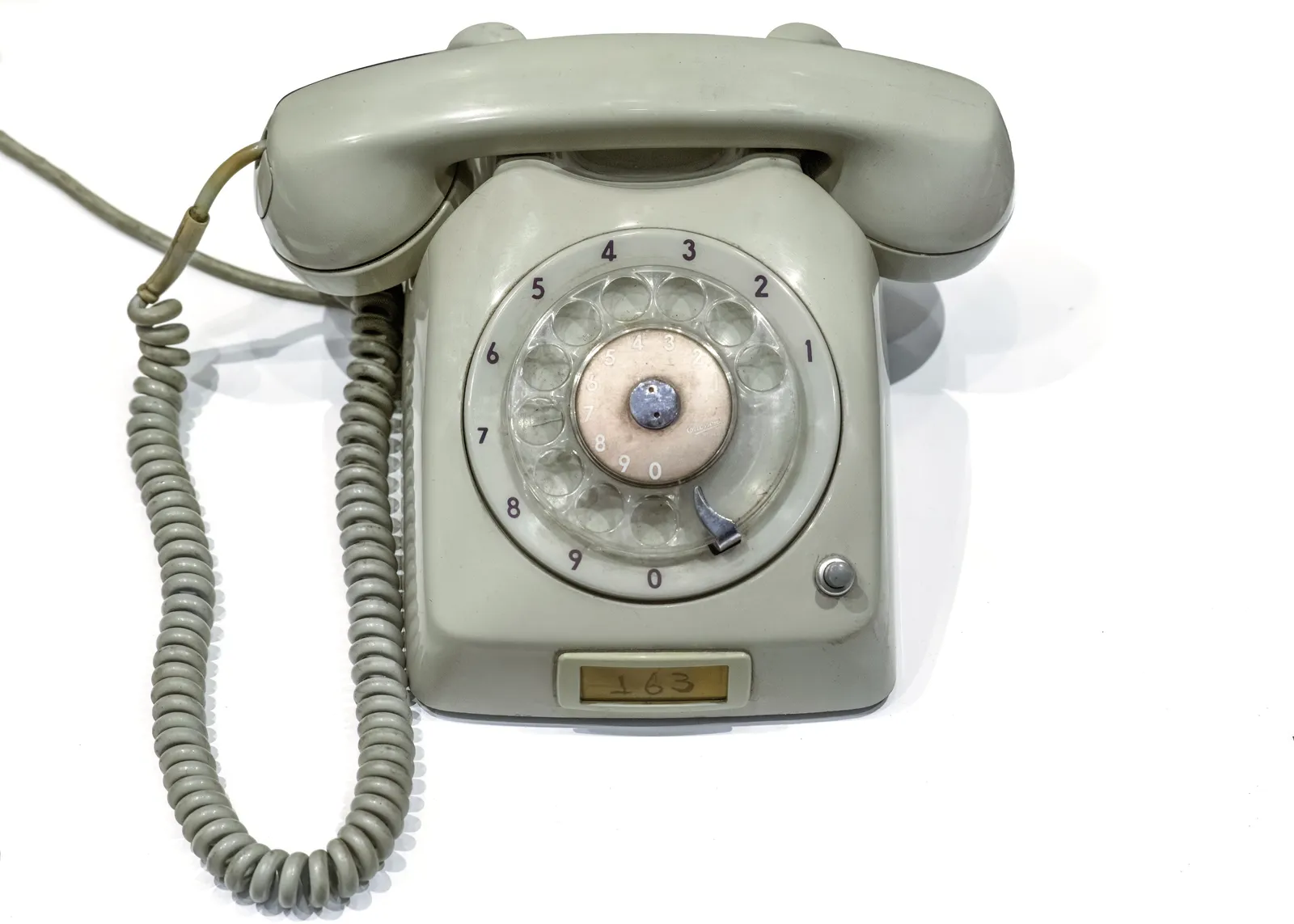






"The customer said he'd already booked with someone else. He enquired yesterday afternoon. We called this morning." Every sales head in India has heard this line, and it hurts most because the lead was genuine, the price was fine, and the only thing that lost the deal was the clock.
Speed to lead is the time between an enquiry arriving and your first real response. When a buyer enquires with several businesses at once, the one that responds first usually shapes the conversation and often wins, so a CRM that assigns leads instantly, acknowledges them automatically on WhatsApp, SMS or email, and escalates when nobody acts is one of the fastest ways to lift conversions.
This guide explains why responses are slow, what slowness costs, and how to set up a CRM so your team responds in minutes, not hours.
Why first responses are slow
Slow response is rarely because your team doesn't care. It comes from how the lead travels before a person ever sees it.
Leads wait in queues nobody watches. Portal leads land in a shared email inbox that someone checks twice a day. Facebook form leads sit in an ad account until a marketing executive downloads them into Excel.
Assignment is manual. A manager reads the new leads and forwards them on WhatsApp. If the manager is in a meeting or on leave, the lead waits.
Enquiries arrive outside office hours. Many B2C buyers in India enquire in the evening or on Sundays. If your team works 10 to 7, a Saturday-night enquiry may wait 36 hours.
No one knows the clock is running. Without a timer, a salesperson has no signal that one lead has been waiting two minutes and another three hours.
Nothing happens when the rule is broken. Even businesses that have a "call within an hour" rule rarely check it, so it quietly becomes "call when free".
Our sibling guide on how to stop losing leads covers the related problem of leads that never get a response at all.
What slow response costs your growth
A purely hypothetical example. An insurance and loans advisor in Surat gets 200 leads a month from ads and comparison sites. Buyers on those sites often enquire with several advisors at once.
- Suppose the team currently responds in about 6 hours on average, and wins 8% of leads: 16 policies.
- Suppose that by responding within 10 minutes, the team gets to be the first voice in more of those conversations, and conversion rises to 11%: 22 policies.
- At an assumed ₹6,000 of commission per policy, those 6 extra policies are ₹36,000 a month, over ₹4 lakh a year, from the same ad budget and the same team.
Your numbers will differ, but the shape doesn't: faster response turns leads you already paid for into revenue, and it does not need a single extra hire.
How a CRM cuts first-response time
The goal is to remove every step where a lead waits for a human to notice it. Here is how, step by step.
1. Capture leads the second they arrive
Connect web forms, ad lead forms, portal integrations and your WhatsApp Business number directly to the CRM so every enquiry becomes a lead record instantly. No downloads, no forwarding, no shared inbox.
2. Assign instantly by rule
Assignment rules pick the owner the moment the lead is created: by product, city, language or source, with round robin inside a team. Better CRMs can assign only to people who are checked in or available, so a lead never lands with someone on leave.
3. Auto-acknowledge on WhatsApp, SMS or email
Within seconds, the buyer gets a message: who you are, the name of their advisor, and when they'll call. For example: "Hi Priya, thanks for your enquiry about 2BHK flats in Wakad. Rahul from our team will call you in the next 15 minutes." Use approved WhatsApp templates through the Business API, see WhatsApp automation tools. This doesn't replace the call. It holds the buyer's attention and signals that you are organised, especially after hours.
4. Alert the owner where they already are
Push a mobile notification, WhatsApp alert or task to the assigned salesperson with a one-tap call button. If you use a dialer CRM, new leads can go straight to the top of the calling queue.
5. SLA timers and escalation
Set a response target, say 15 minutes during working hours. The CRM tracks time since creation with no logged call or message. If the target is missed, it notifies the team lead; if it is missed by more, it reassigns the lead to the next available person. The rule enforces itself, so managers don't have to chase.
6. Measure and coach
Add "average time to first response" and "% of leads contacted within target" to your dashboard, split by salesperson and source. Review it weekly. The spread between your fastest and slowest rep usually shows exactly where coaching pays off.
Which CRMs on App Advisor do this well
App Advisor lists CRMs independently and nothing is paid placement. Facts below come only from each vendor's own website or help documentation, checked at the time of writing. Confirm SLA-timer and escalation specifics on the vendor's site or in a trial, as these vary by plan.
LeadSquared. LeadSquared's help documentation describes a Lead Distribution automation that assigns leads to users, groups or by user properties in round robin, with assignment quotas and an option to distribute only to users who are checked in. That is exactly the "never assign to someone who is away" behaviour that protects response time in high-volume teams.
Zoho CRM. Zoho's help documentation says assignment rules work on leads created through webform, import and API, assign by criteria such as the region a user handles, and use round robin when several users are selected. Web-form leads get an owner the moment they arrive.
Freshsales. Freshworks says Freshsales auto-assigns leads across territories through lead-routing rules, supports one-click calling with call logs and recordings, and can "automate sequences of sales actions like emails, calls, and SMSes". A sequence is a practical way to send the instant acknowledgement and schedule the follow-up touches.
HubSpot CRM. HubSpot's workflow documentation lists a "Rotate record to owner" action that splits records equally across a team, and a "Send internal notification" action that emails specific users, teams or owners. Together they cover instant assignment and alerts.
Kylas CRM. Kylas highlights built-in WhatsApp and calling with real-time activity logging, which helps smaller Indian teams respond and log the response from one screen.
If most of your first responses are phone calls, read our telecalling and dialer CRM guide too.
A 30-day rollout plan
Week 1: Measure today's speed. Take 50 recent leads and note when each arrived and when it was first contacted. Calculate the median. Most owners are surprised by the number.
Week 2: Remove the waiting. Connect every lead source to the CRM. Write assignment rules and switch on availability-based assignment if your CRM offers it. Test by submitting enquiries yourself from each source.
Week 3: Acknowledge and alert. Get WhatsApp templates approved and set an instant acknowledgement on WhatsApp, with SMS or email as fallback. Turn on mobile alerts for owners.
Week 4: Enforce the SLA. Set the response target, the escalation to team lead, and auto-reassignment. Add the speed metrics to the weekly sales review and recognise the fastest responders.
Checklist
- Median first-response time measured before and after.
- Every source flows into the CRM in real time.
- Leads auto-assigned only to available staff.
- Instant acknowledgement, including evenings and Sundays.
- SLA timer with escalation and reassignment.
- Weekly review of response speed by rep and source.
Get a shortlist in minutes
Response speed depends as much on your channels and team as on the software. Compare shortlisted tools side by side on App Advisor's compare page, browse the CRM software category, or ask the free AI advisor for a CRM shortlist based on your lead volume and sources.
FAQs
What is speed to lead?
Speed to lead is the time between a prospect submitting an enquiry and your team's first meaningful response, usually a call or personal message. Shorter is better, because buyers who enquire with several businesses tend to engage with whoever reaches them first.
What is a good first-response time for sales leads?
For inbound enquiries, aim for minutes rather than hours during working hours, with an instant automated acknowledgement outside them. Pick a target your team can actually meet, such as 15 minutes, measure it, and tighten it once the team hits it consistently.
Does an automated WhatsApp reply count as a first response?
It counts as an acknowledgement, and it helps hold the buyer's attention, but it should not replace a human call or message. Use it to tell the buyer who will contact them and when, then make sure that promise is kept.
How does a CRM enforce a response-time SLA?
The CRM starts a timer when the lead is created and checks whether a call, message or email is logged within the target. If not, it alerts the owner, escalates to a manager, and can reassign the lead. Exact options vary by CRM and plan, so check the vendor's automation settings.
How do I respond quickly to leads that come at night or on weekends?
Send an automatic acknowledgement on WhatsApp or SMS immediately, set the CRM to create a priority call task for the first hour of the next shift, and consider a small rotating weekend roster for high-value sources.
Which CRM is best for fast lead response in India?
It depends on your volume and channels. High-volume teams often look for availability-based distribution, while smaller teams value built-in WhatsApp and calling. Compare a few options and test assignment and alerts with real enquiries during the trial.